 Free
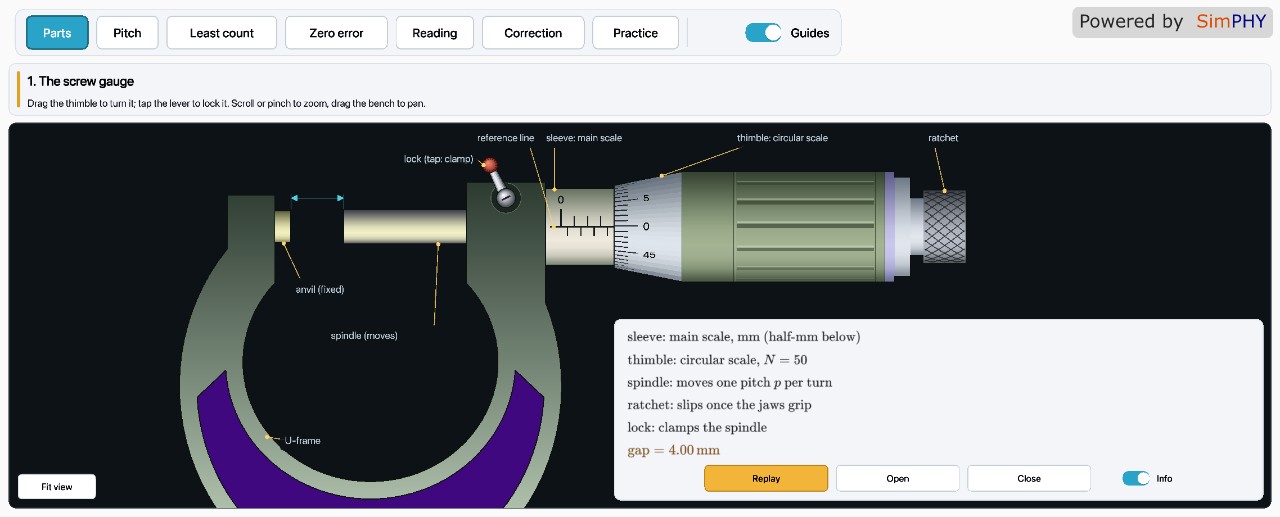
Screw Gauge in Steps
Experimental PhysicsExplore a micrometer’s pitch, least count, zero error and readings thr...
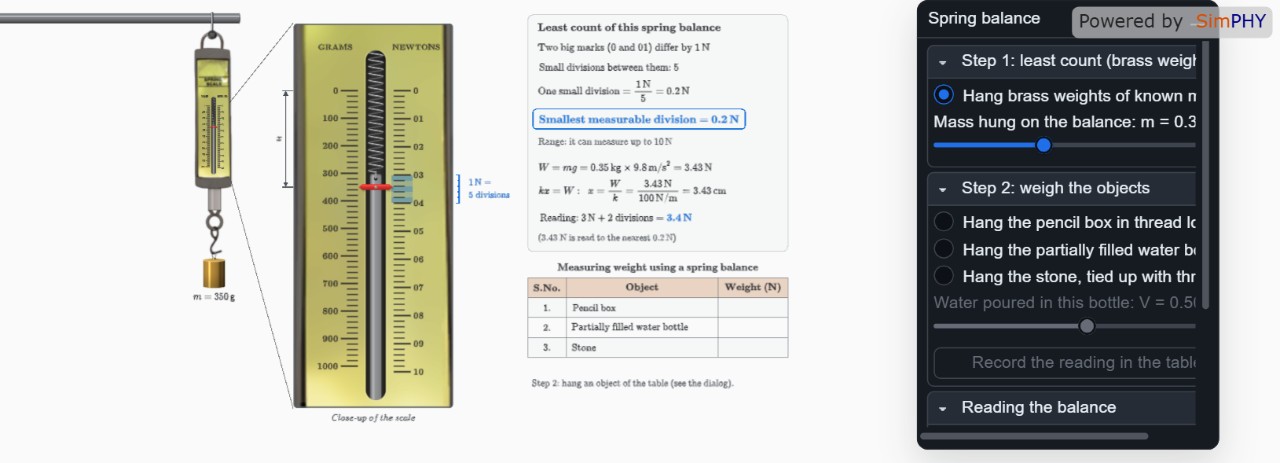
Explore how a spring balance reads weight, determine its least count (0.2 N) and measure objects up to 10 N.
A spring balance measures the weight of an object by the extension of a spring, following Hooke's law. The scale has major marks spaced 1 N apart and five smaller divisions between them, giving a smallest readable value of 0.2 N – the instrument’s least count. Understanding this least count helps students see the limits of precision in measurements.
Students can hang different objects such as a pencil box, a water bottle, or a stone from the balance’s hook, wait for the pointer to settle, and read the weight on the scale. They compare the displayed weight with the mass shown on the attached gram scale, observe the range limit (10 N), and record their findings. This activity reinforces concepts of measurement, precision, and the relationship between mass and weight.
Free
Explore a micrometer’s pitch, least count, zero error and readings thr...
 Free
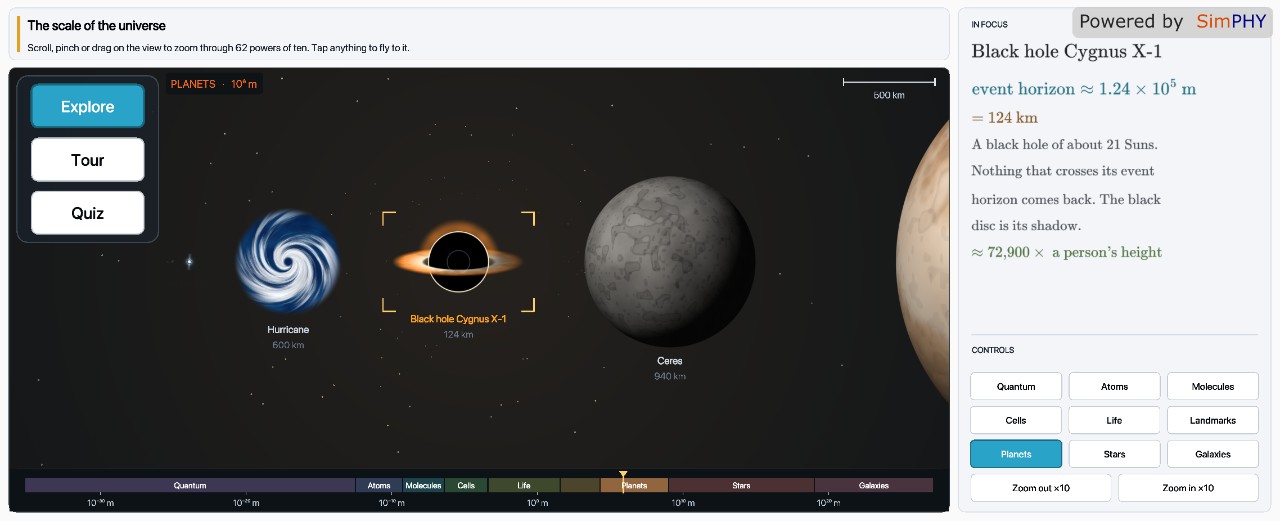
Zoom from the Planck length to the observable universe, compare sizes...
 Free
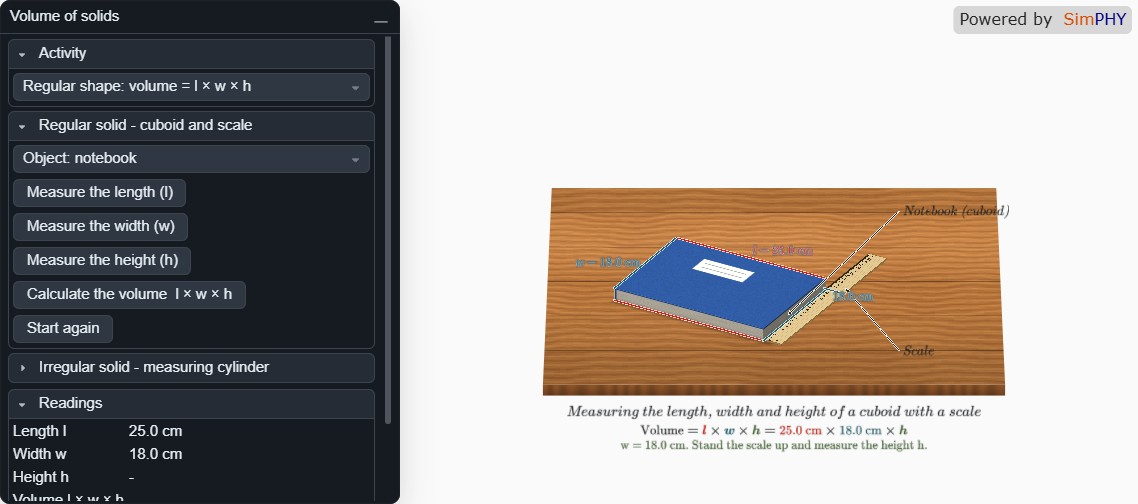
Measure cuboid volume with length × width × height and determine irreg...
 Free
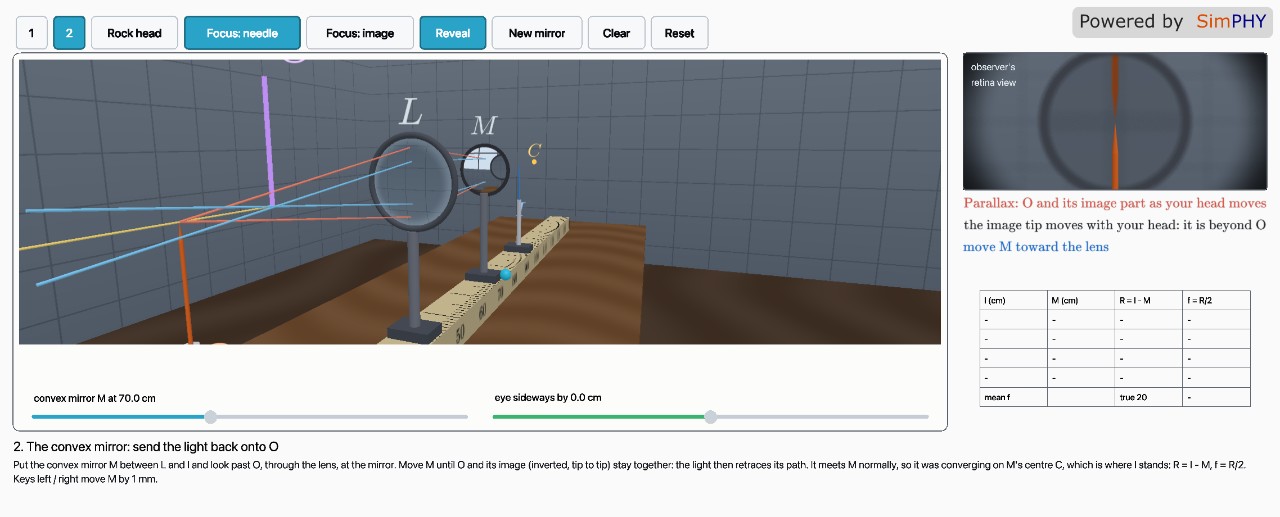
Measure a convex mirror’s focal length on an optical bench using a con...
 Free
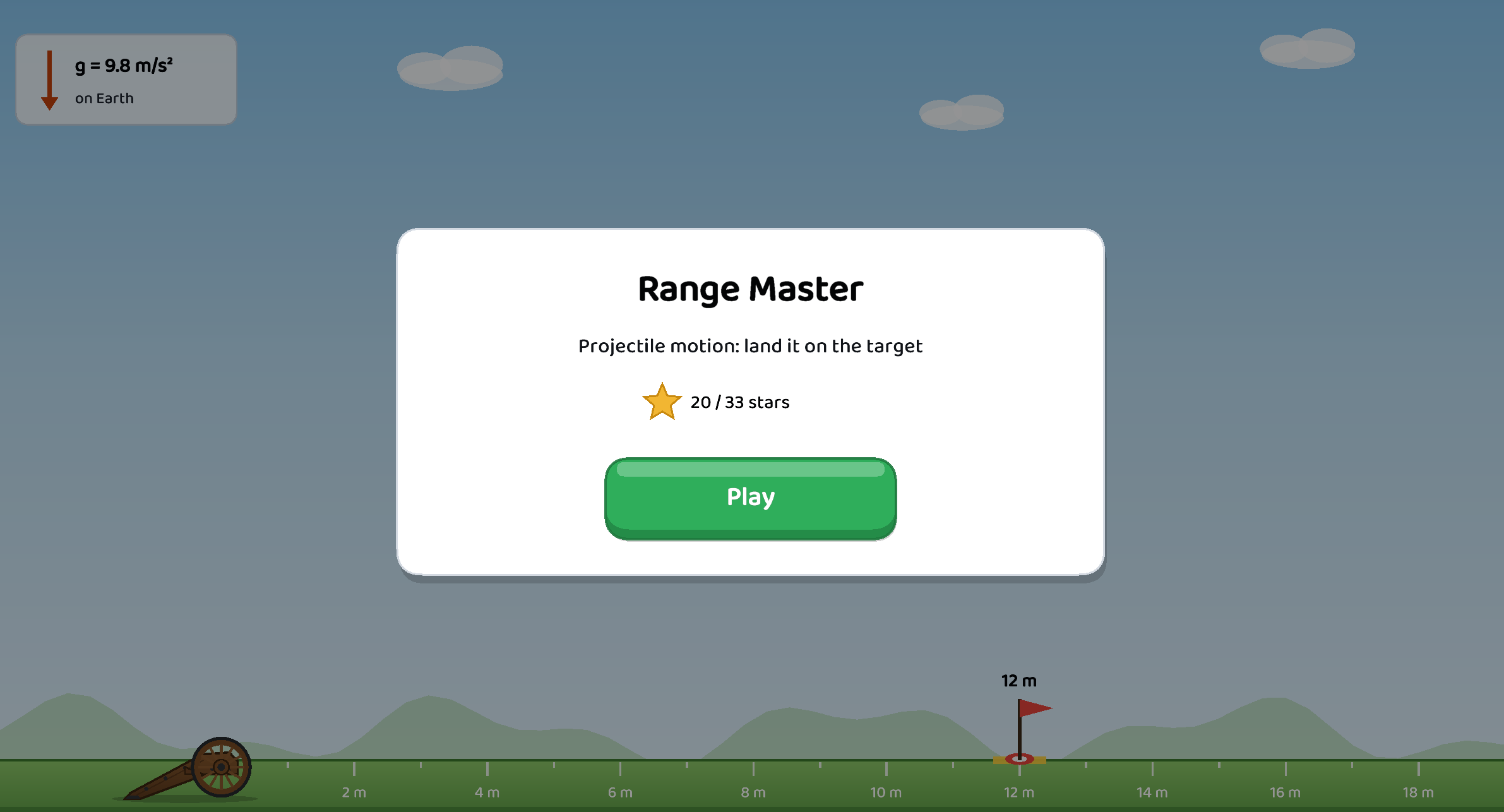
Fire a cannon by setting angle and speed to hit targets in 11 levels,...
 Free
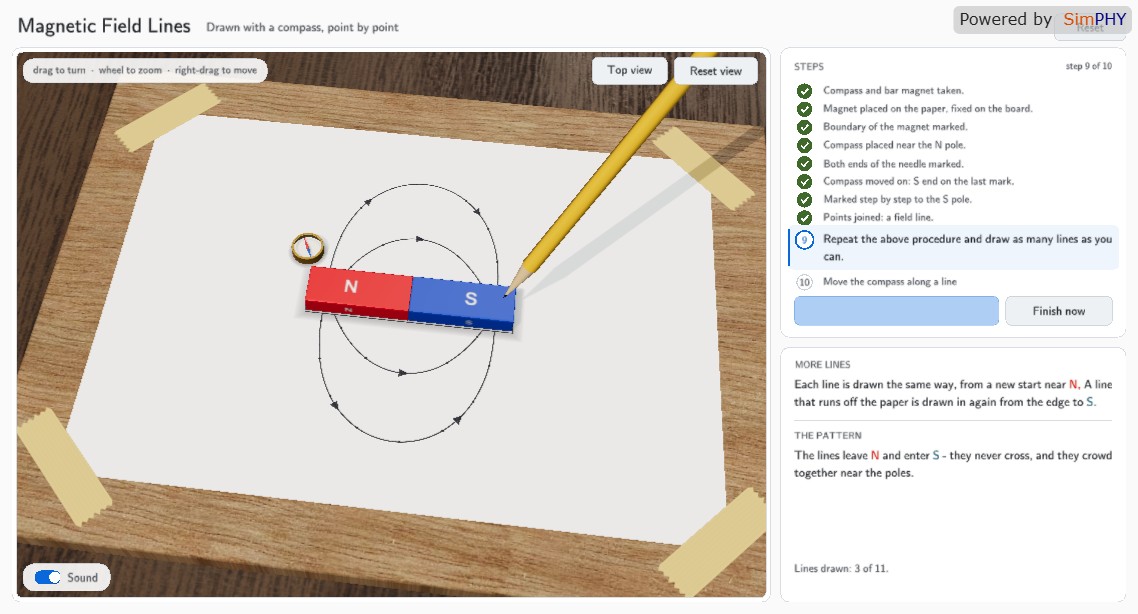
Draw magnetic field lines of a bar magnet with a compass, following NC...