 Free
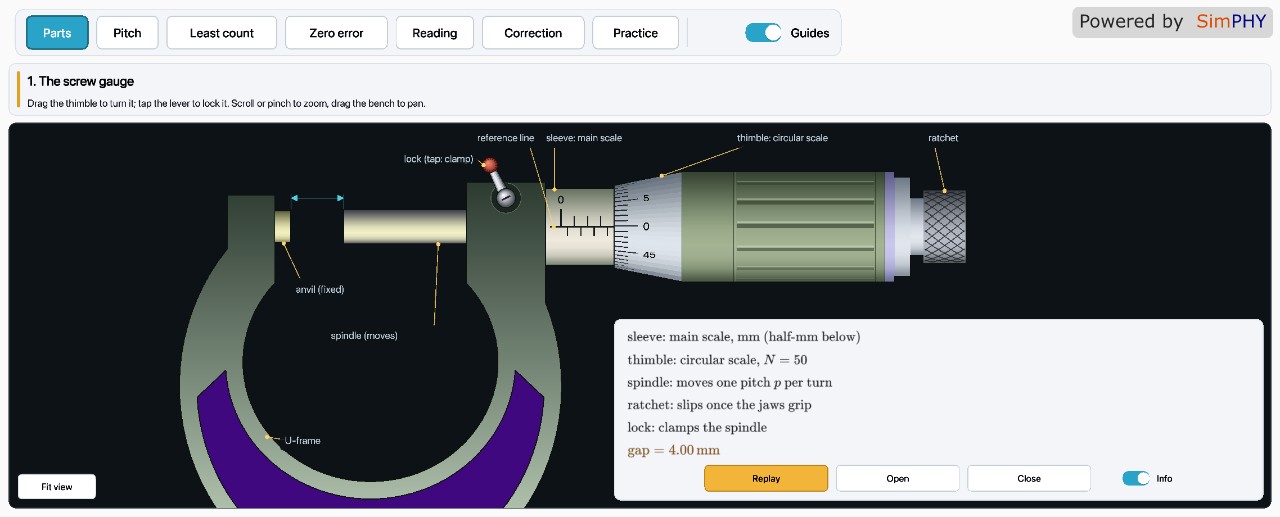
Screw Gauge in Steps
Experimental PhysicsExplore a micrometer’s pitch, least count, zero error and readings thr...
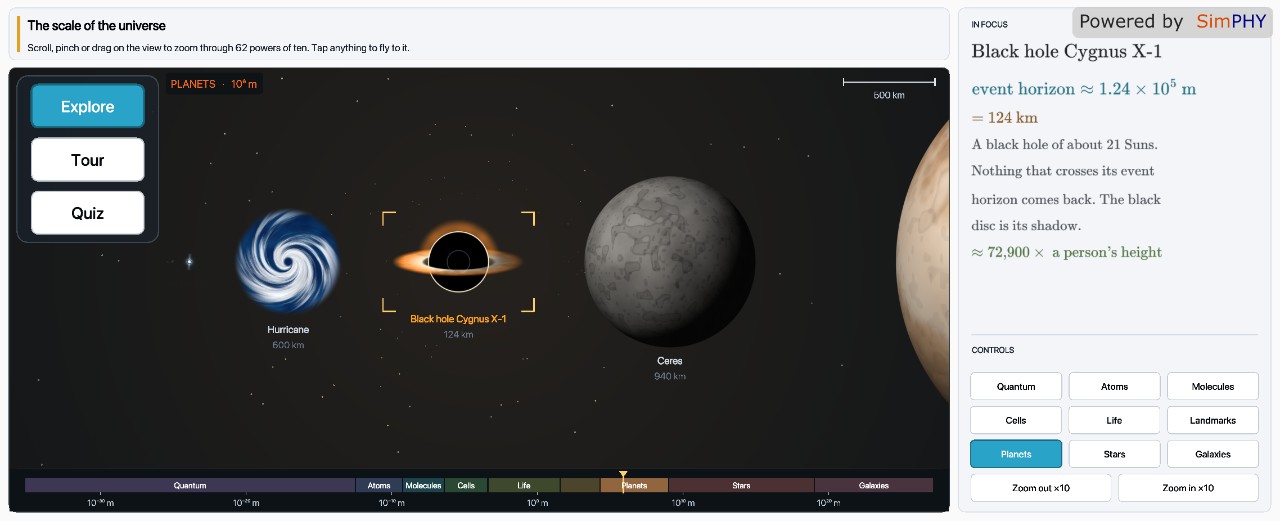
Zoom from the Planck length to the observable universe, compare sizes of atoms, planets, galaxies and more.
The simulation visualises the vast range of sizes in nature, from the tiny Planck length (≈1e-35 m) up to the observable universe (≈1e27 m). By representing each object with its true size and placing it on a scaled shelf, students see how many orders of magnitude separate atoms, cells, planets and galaxies.
Three interactive modes let students explore this hierarchy. In Explore mode they can freely zoom with scroll, pinch or the power‑of‑ten strip and tap any object to fly to it. Tour mode automatically zooms out, pausing at interesting objects, while the "Which is bigger?" mode challenges learners to compare two items from different scales.
Using the simulation helps students develop intuition for scientific notation, the concept of orders of magnitude, and the importance of appropriate units when describing size. It reinforces topics in modern physics and measurement, and encourages curiosity about the structure of the cosmos.
Free
Explore a micrometer’s pitch, least count, zero error and readings thr...
 Free
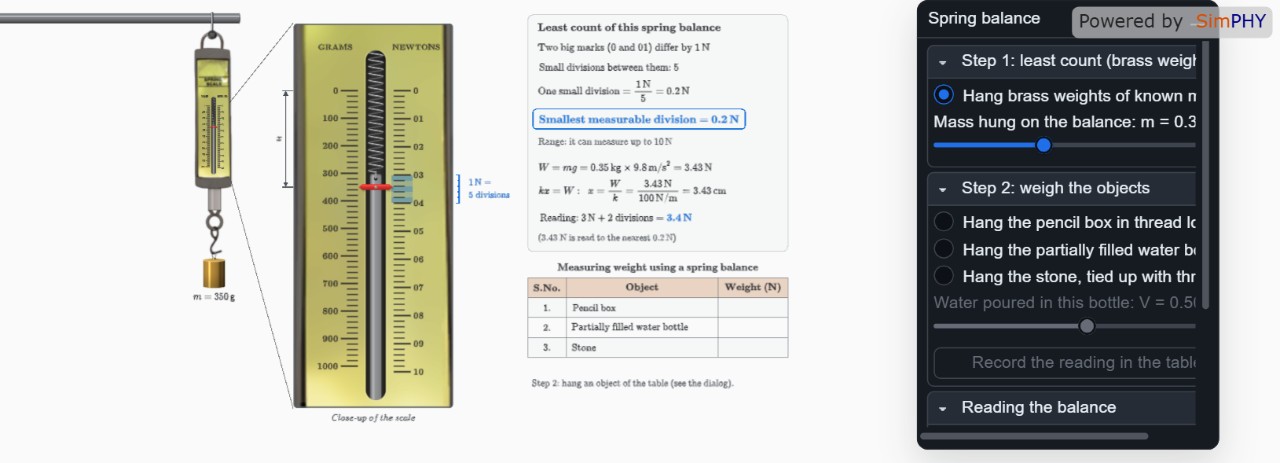
Explore how a spring balance reads weight, determine its least count (...
 Free
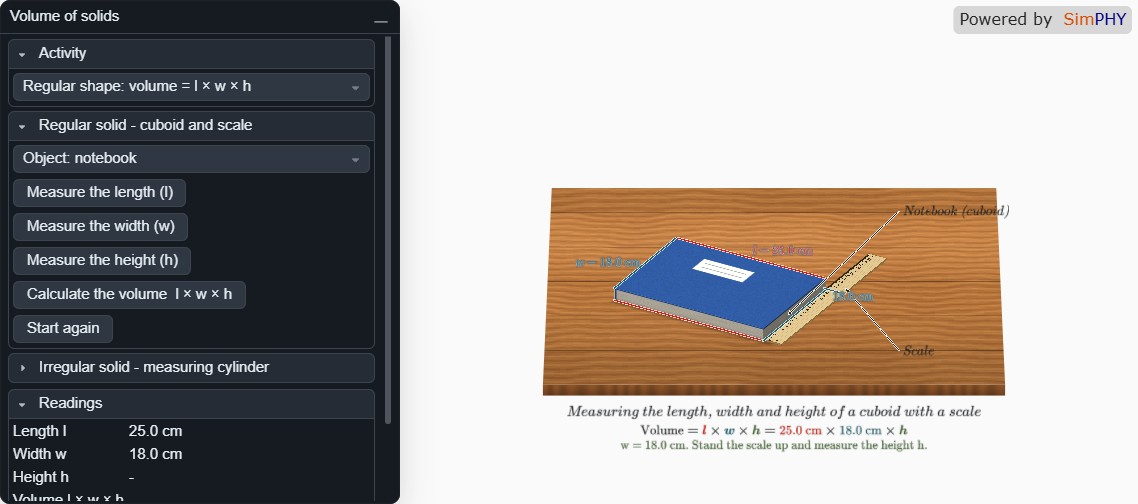
Measure cuboid volume with length × width × height and determine irreg...
 Free
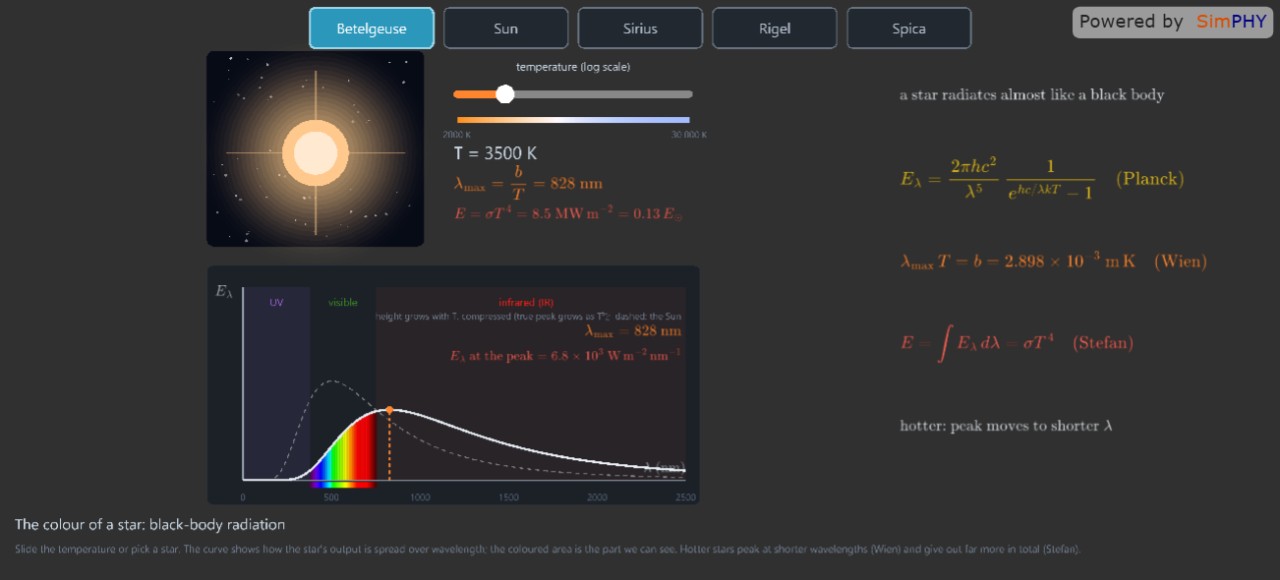
Watch how a star’s temperature changes its colour, spectrum peak, powe...
 Free
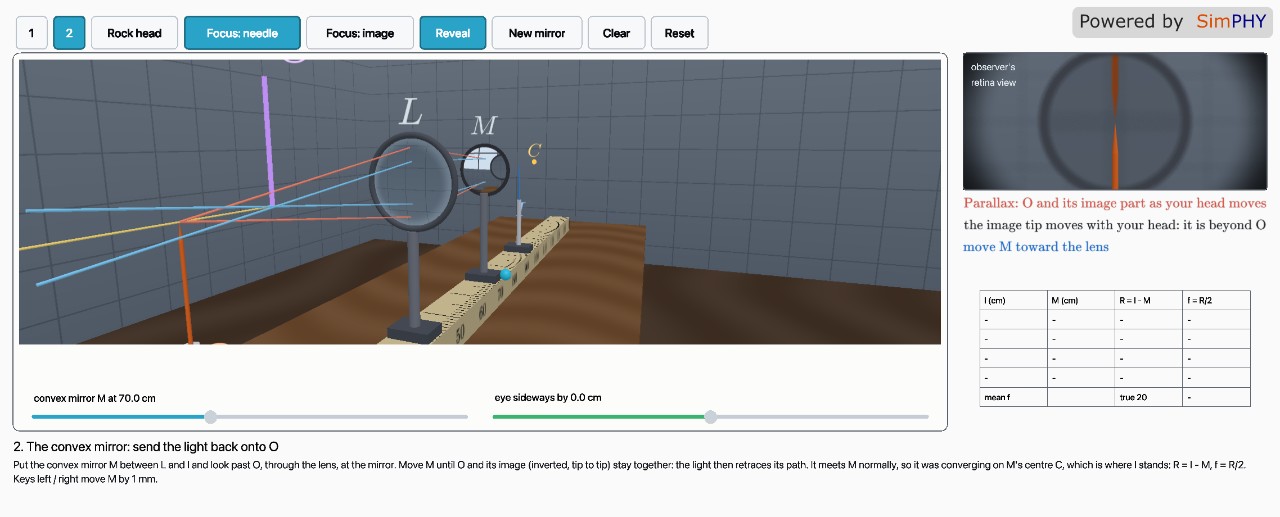
Measure a convex mirror’s focal length on an optical bench using a con...
 Free
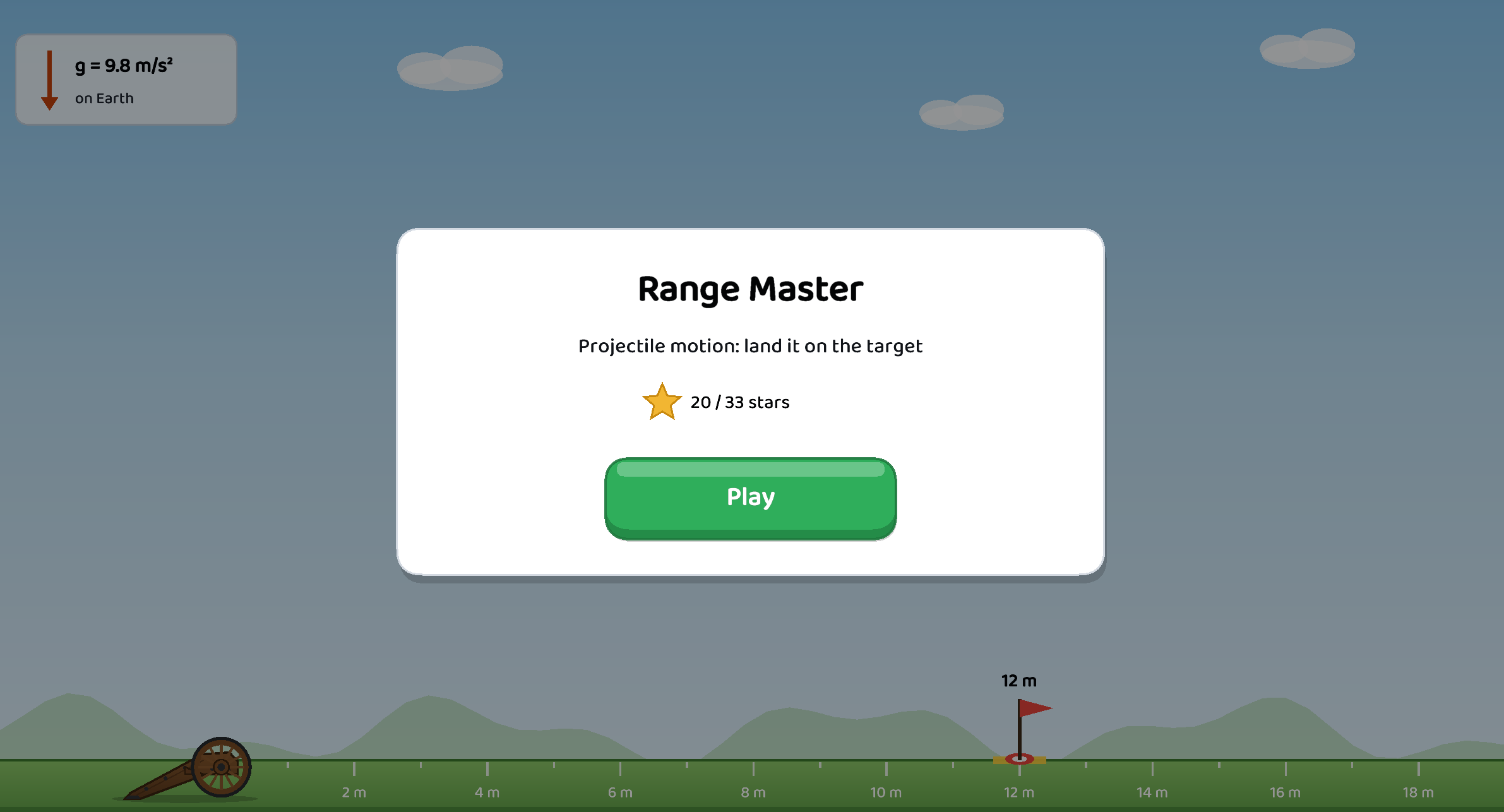
Fire a cannon by setting angle and speed to hit targets in 11 levels,...