 Free
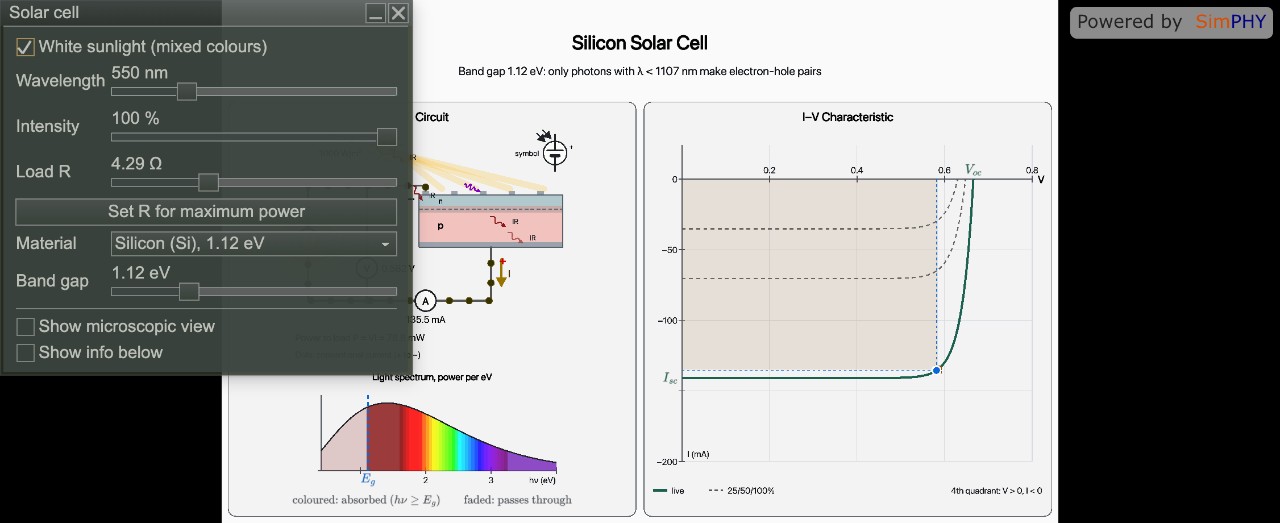
Solar Cell – Photovoltaic p‑n Junction
Semiconductor ElectronicsExplore a p‑n junction solar cell, adjusting light intensity and band...
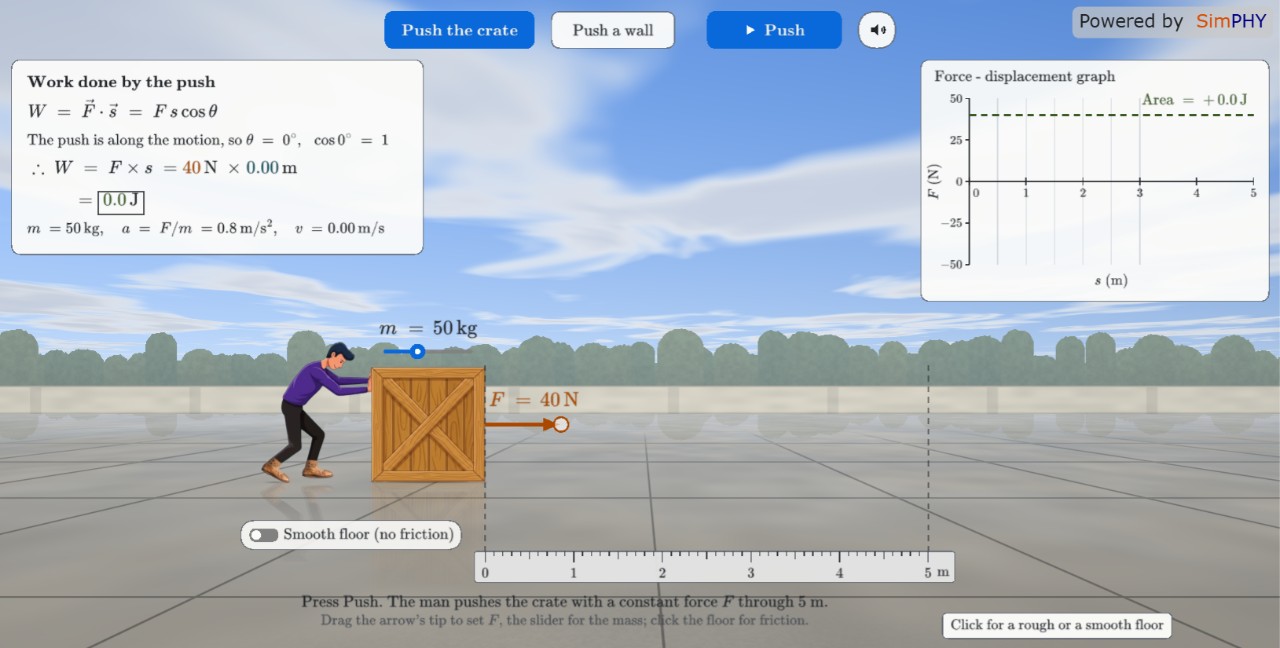
See how a constant push does positive, negative or zero work on a crate or wall, and how friction alters…
Work is defined as the product of a force and the displacement component along that force, W = F s cosθ. When the force acts in the same direction as the motion (θ = 0°) the work is positive; if the object does not move the work is zero; and if the force opposes the motion (θ = 180°) the work is negative, as with kinetic friction.
In this simulation a man pushes a wooden crate across a concrete yard. Students can drag the tip of the force arrow to set the constant push, adjust the crate’s mass with a slider, and toggle between a rough (μ = 0.25) and a smooth floor. Pressing Push starts the motion, showing the crate’s displacement, the calculated work, and a force‑displacement graph where the shaded area equals the work done. The wall scene demonstrates zero work when there is no displacement.
By experimenting, learners see how increasing the force or mass changes acceleration, how static friction can prevent motion, and how kinetic friction produces negative work. The activity reinforces the relationship between force, displacement, and energy transfer, and connects the graphical area under a force‑distance curve to the algebraic expression for work.
Free
Explore a p‑n junction solar cell, adjusting light intensity and band...
 Free
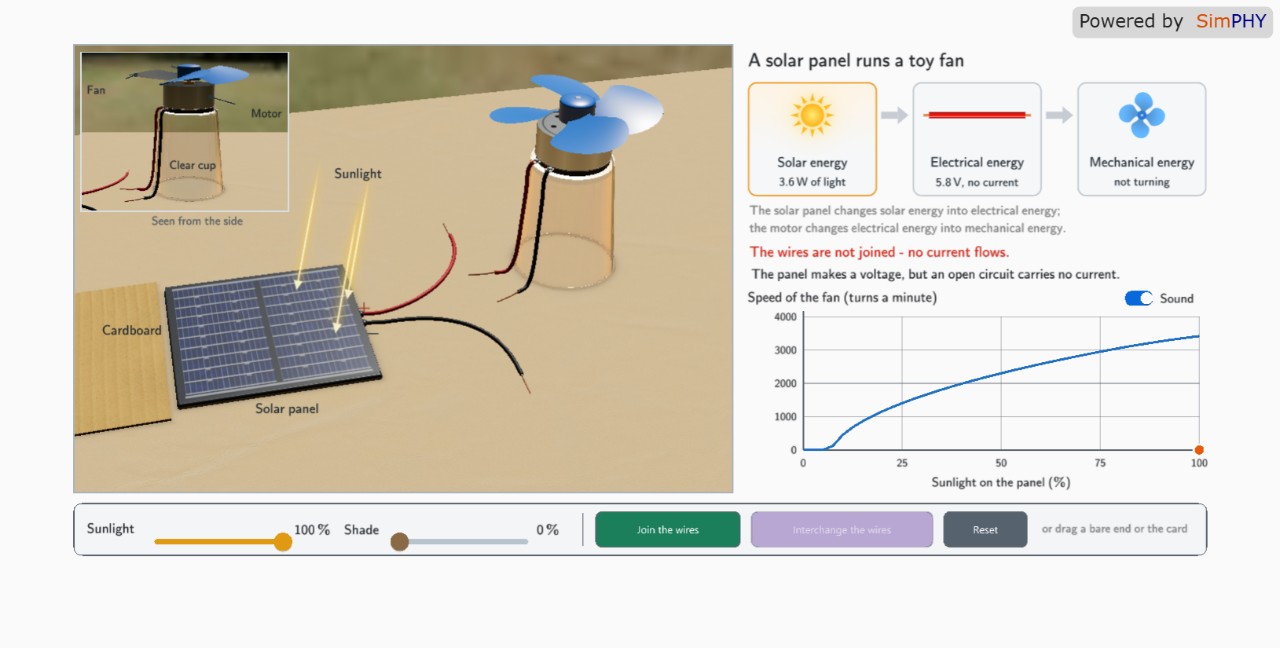
Connect a solar panel to a toy fan and watch sunlight turn light into...
 Free
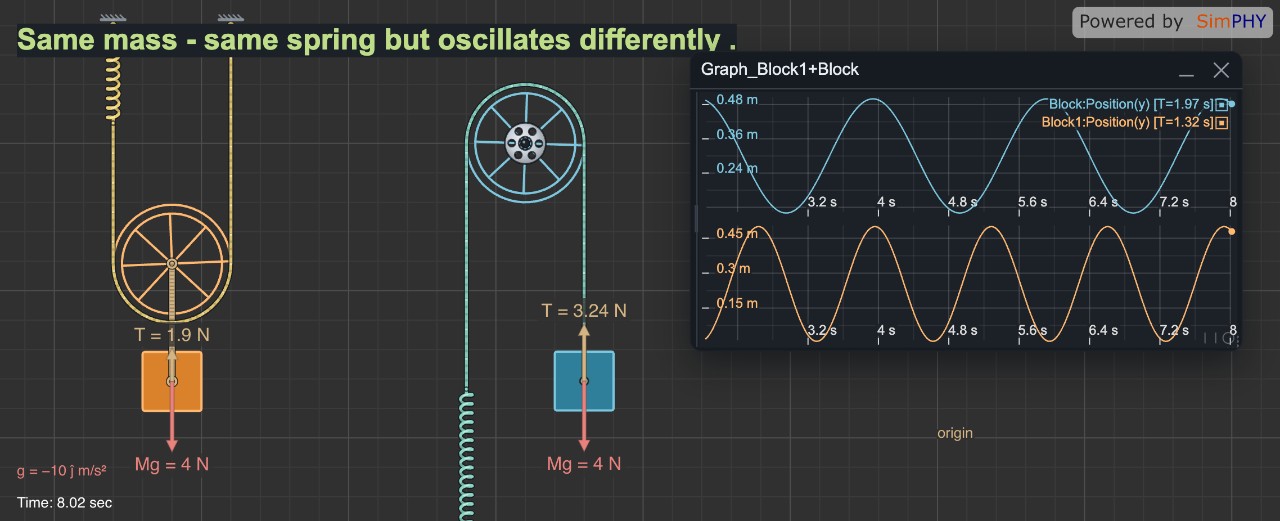
This simulation demonstrates how the mechanical arrangement of pulleys...
 Free
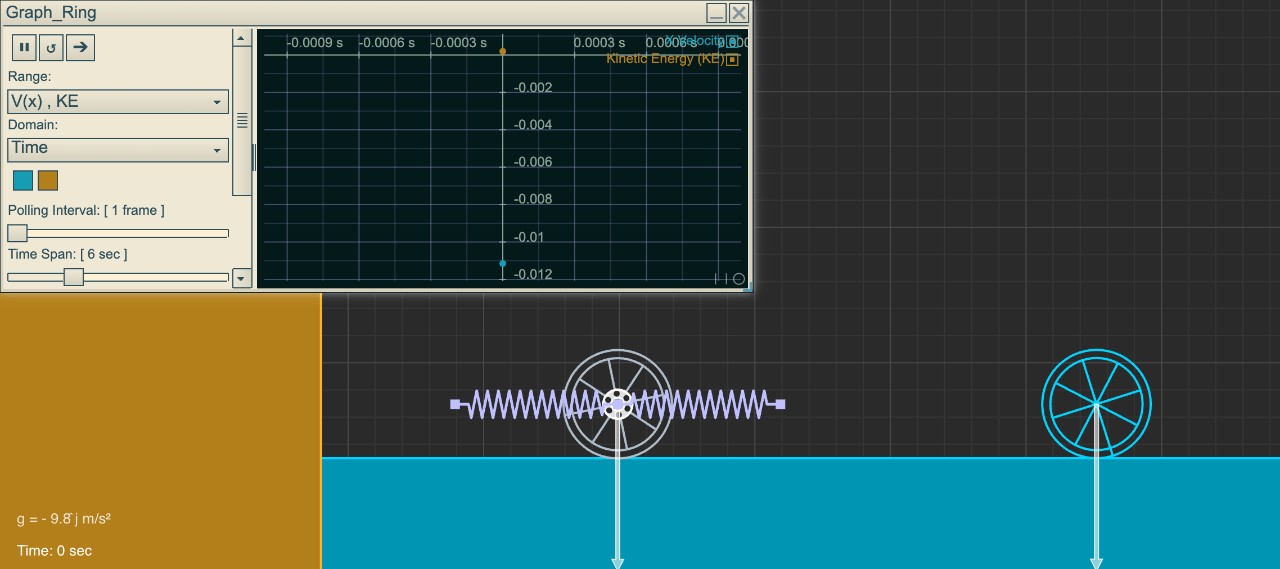
Explore a spring controller’s constraints and elastic collisions betwe...
 Free
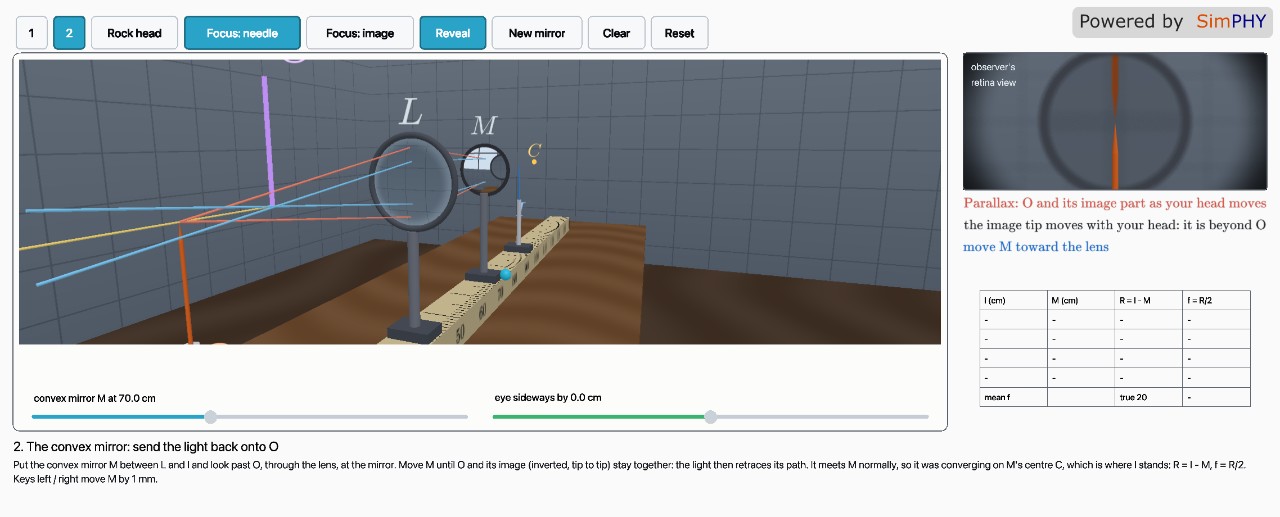
Measure a convex mirror’s focal length on an optical bench using a con...
 Free
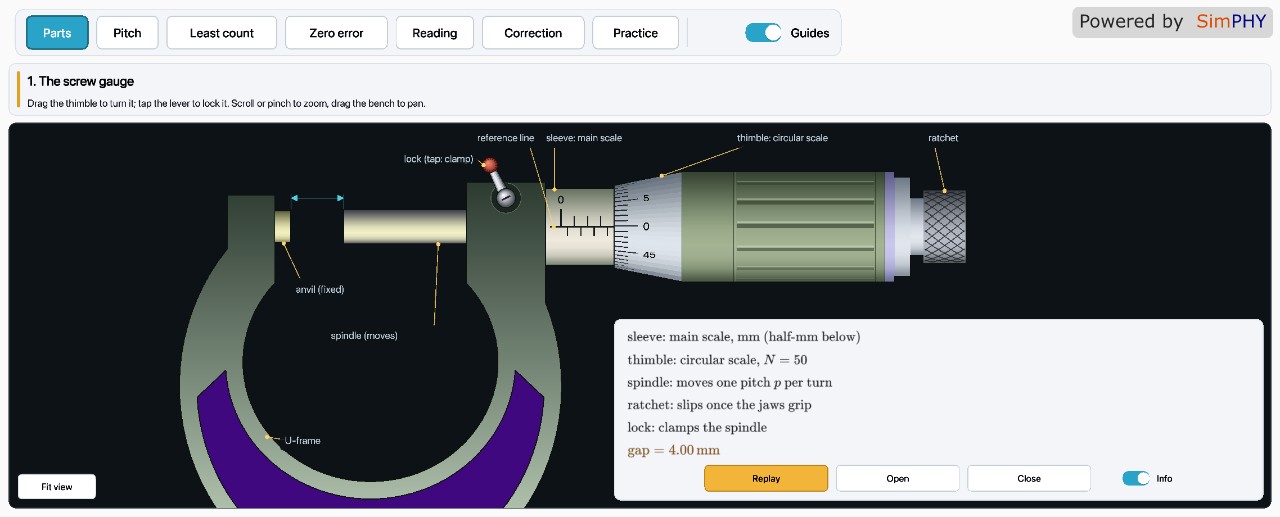
Explore a micrometer’s pitch, least count, zero error and readings thr...